

D-Day
Letter from Bernard McElwaine, Cptn. North Shore Regiment, Canadian Army to his wife on the eve of D-DayTonight they are probably all sound asleep, without a suspicion that soon all hell is going to break loose around them.
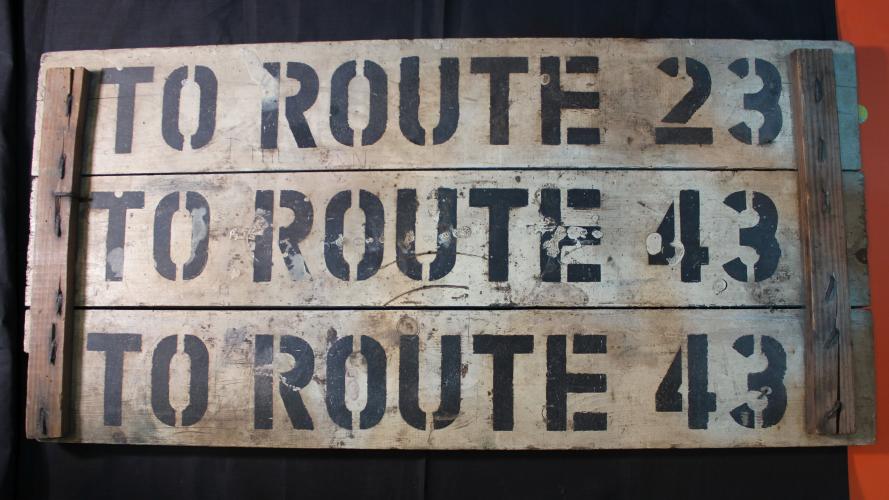
D-Day Embarkation Sign for Plymouth. This was to deconflute (direct) American troops to the right ships for embarkation. Note: D-Day signage was found in a hedge in 1950 by the contributor and stored in a shed.
Shared by Stephen Johnson at University of Plymouth, Plymouth on 15 November 2023.
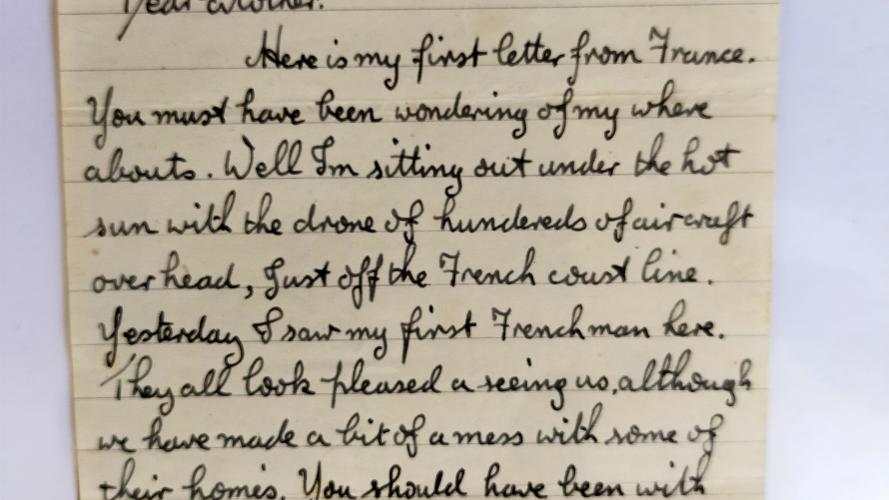
"Just a week after the D-Day landings my grandfather's brother (Jack Thomas) sent a letter to my grandparents (Alf and Katie) describing his experiences on a minesweeper during the invasion that had taken place the previous week..."
Shared by Paul Thomas online via the Their Finest Hour project website.
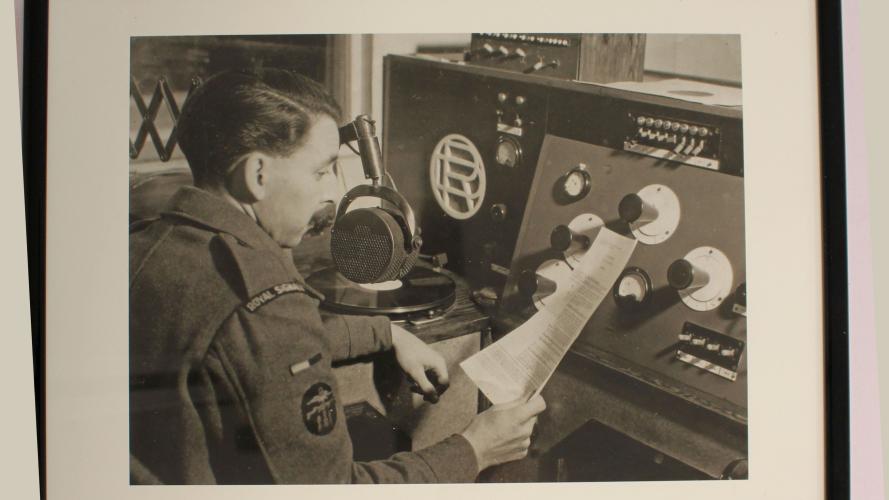
"Father served with Sherwood Foresters, served for 6 years as communications operator. Born in Keyworth, Nottingham to a single mother, father was unknown. He later joined the Royal Signals. Involved with communications and the D Day landings. He was setting up communication posts and was identified as a comms officer wearing a white band on his helmet. He was also a Don R. Rider. (dispatch rider). He was part of Radio Gibraltar and worked with David Jacobs (British Broadcaster?). John said "he wasn't going to stay in radio because there was no future in it."
Shared by Wendy Hodgett at National Memorial Arboretum, Staffordshire on 17 February 2024.
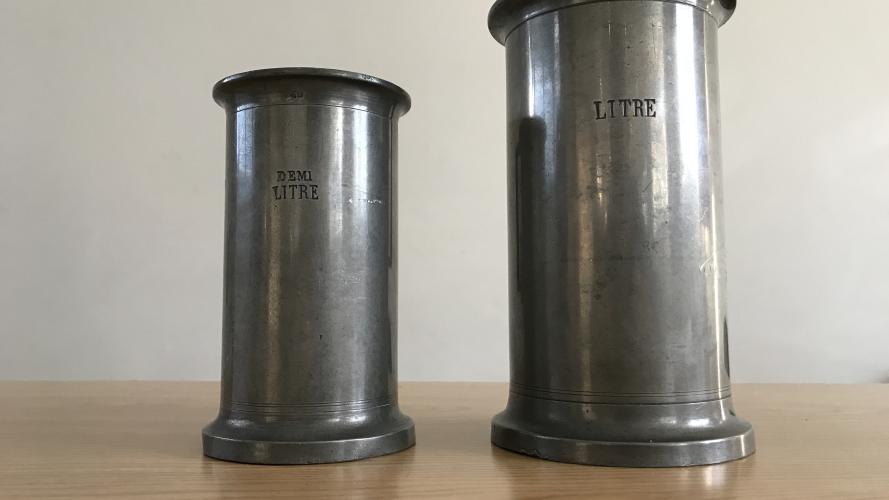
"Tony Hart was was a schoolboy at Malvern College when the war broke out and was evacuated to Blenheim Palace for a year. Leaving school in 1941, he worked as an articled clerk to a firm of chartered accountants in the City. Joining the army in April 1942, he spent a short time studying in Cambridge and was commissioned into the Royal Engineers in "April 1943 aged 19 3/4.""
Shared by Bryan Seymour Hart at The Lee Parish Hall, Buckinghamshire on 19 February 2023.