

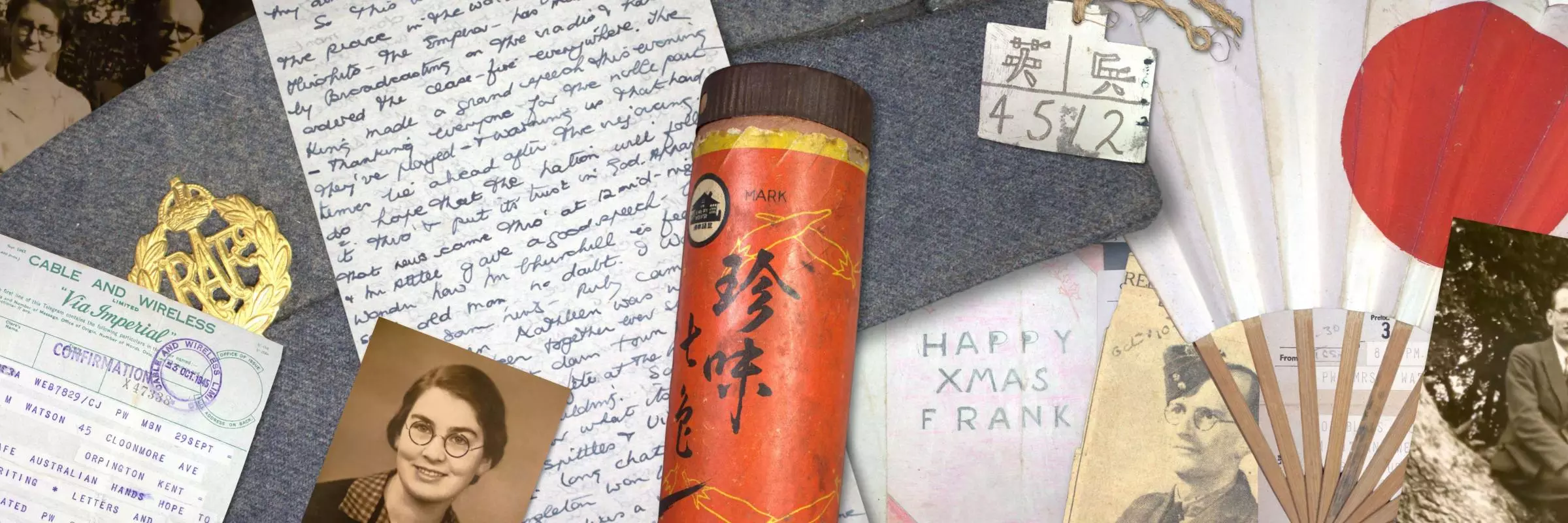
The Watson Collection brings together over 2,600 digitised letters, diaries, photographs, artefacts, and memoirs charting the wartime lives of Frank and May Watson – his in captivity in the Far East, hers on the home front in England – and is now available to the public for the first time.
Captured in 1942 during the fall of Java, Frank spent more than three years in Japanese prison camps, enduring forced labour and severe deprivation. May’s writings record the long, anxious wait for news, her work in church and community, and the Christian faith that sustained her.
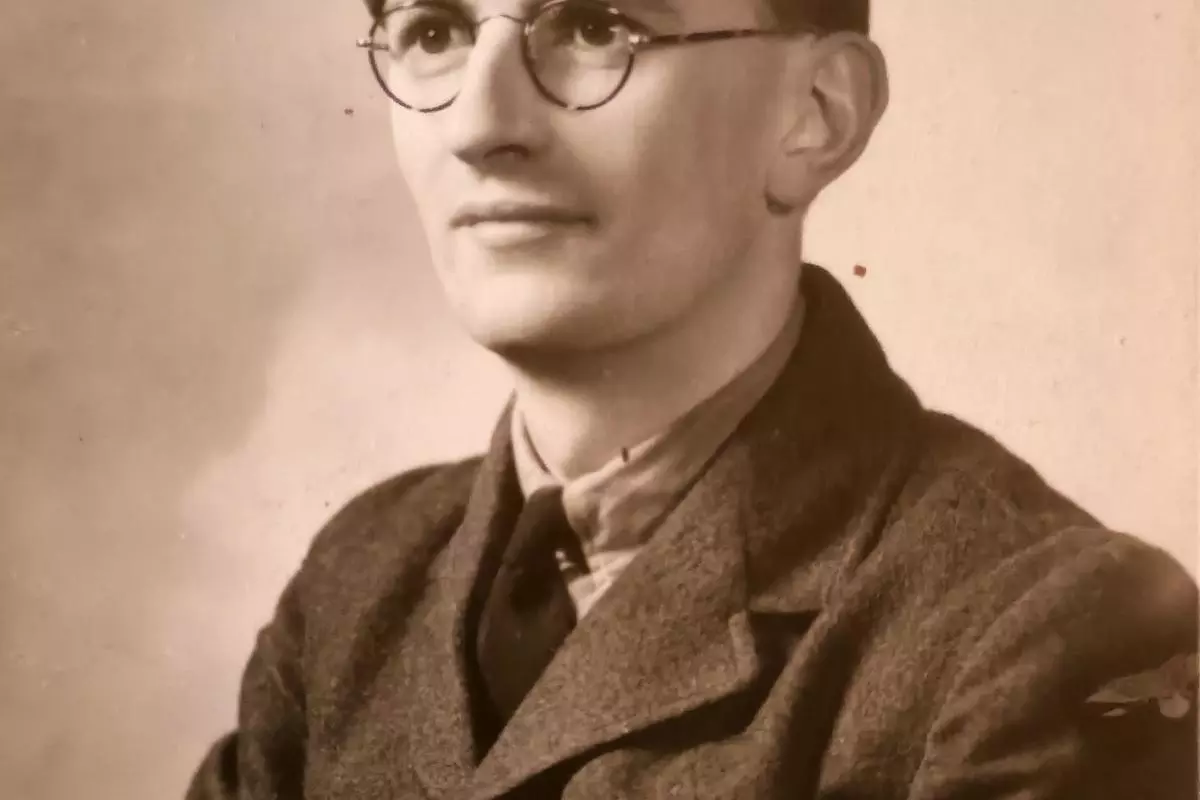
FRANK'S WAR
Posted to Singapore with the RAF in 1941, Frank Watson was caught in the Japanese advance, escaping to Java only to be captured in March 1942.
Over the next three and a half years, Frank was held in a series of prison camps in Java and Japan, where he endured forced labour in coal mines and the constant threat of brutality.
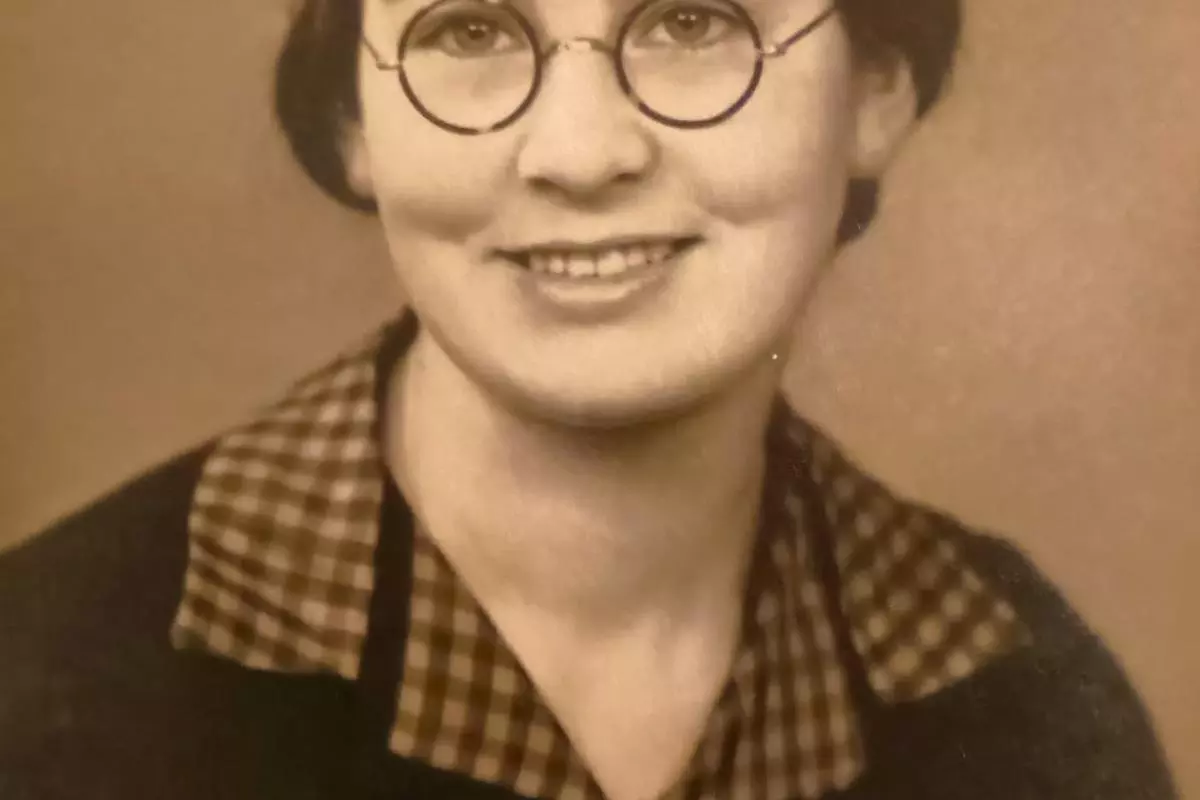
MAY'S WAR
May Watson's wartime story was lived out in the quieter, but no less testing, arena of the home front.
After Frank's capture in 1942, May faced more than three years without direct contact from him. Fragments of information reached her through the official channels, but the uncertainty was unrelenting.
Letter from Frank to May, 28 July 1941. They would not see each other again for nearly four-and-a-half years."This is just to let you know I am leaving today, I believe. I am enjoying myself and am quite happy."
PRISONER OF WAR
Frank's captivity in the Far East is recorded in official and personal materials tracing more than three years as a prisoner of war.
POW registration cards and Japanese-issued ID tags chart his movements from Boei Glodok prison to Fukuoka 8 Camp, via Tandjong Priok, Surabaya, the Bicycle Camp, Tjimaki, and Changi Jail.
In Japan, he endured forced labour in coal mines, malnutrition, and beatings until his liberation in August 1945.
LIFE IN WARTIME ENGLAND
May's diaries and letters record a world defined by blackout precautions, rationing, air-raid warnings, and 'keeping house'.
She volunteered as a fire watcher and ran Sunday School, and corresponded with government offices, the Red Cross, and friends throughout the war.
Unsent letter, 1 June 1943"I wonder whether you are really in the body, or out of it! … I may be wrong, but I feel you have left this life – my treasure – to enjoy eternal life with Him alone."
MESSAGES ACROSS THE DIVIDE
For much of the war, May continued to write letters to Frank that she did not send, using them as a private outlet for her thoughts, news, and reflections.
These unsent messages provide a record of daily life in wartime Britain, and preserve May's shifting state of mind during the long years of separation.
BELIEF AND RESILIENCE
Frank and May's surviving letters, postcards, sermons reveal a shared conviction that faith was both a source of strength and a guide to action.
Frank took on a leadership role in organising services in the camps.
May's faith became an anchor during years of waiting.
Frank confirming that he was alive in a telegram, 29 September 1945"AM SAFE AUSTRALIAN HANDS HOPE TO BE HOME SOON"
FREEDOM AND RETURN
The end of the war brought a rush of relief and joy, captured in telegrams announcing Frank's liberation and objects from his reception in Canada before his return to England.
Letters of congratulations from friends and family also reflect the joy surrounding Frank's liberation and his reunion with May after more than three years apart.
REMEMBERING
In the decades that followed, the Watsons' lives remained shaped by memory and commemoration.
Photographs, veterans' newsletters, and service programmes record their active involvement in FEPOW organisations, remembrance services, and reconciliation initiatives with former adversaries.
FREQUENTLY ASKED QUESTIONS
Thanks are due to Andrew Watson, whose generosity in donating and funding the digitisation of the Watson Collection has made it possible to preserve and share these materials with the public.