

Women's Experiences
Isabella Smith"I went home and told my mother, "Mother, I just joined the Air Force today!" She just replied, "No you didn't!
The archive includes newly uncovered diaries, letters, photographs, memoirs, and other materials that capture the diverse roles that women played during the war.
These artefacts, and the stories that accompany them, highlight the crucial contribution that women made to the war effort, whether as members of the armed forces, munitions workers, housewives, mothers, agricultural labourers, or nurses.
Search our collection to find records relating to Women's War Work, WRNS, Women's Land Army, WAAF, Nurses, and the Auxiliary Territorial Service.
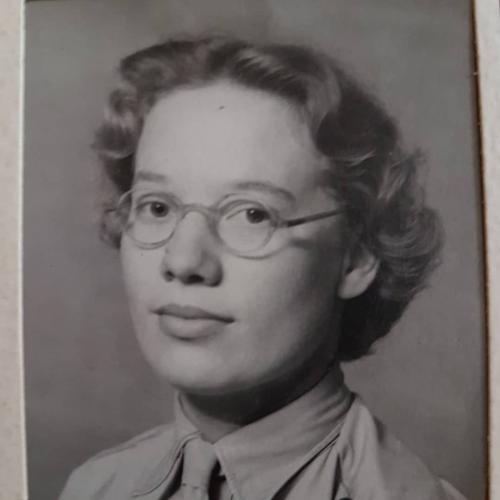
"Myrtle became a Radar operator studying Radar screens and telling the guns which direction to fire.
Myrtle was stationed all over the country – whenever we went away on holiday there was always the call of “I was stationed here” wherever we went. In the first few months of training she’d been to Lancashire, Wiltshire, Wales and Gourock, Renfrewshire, Scotland."
It’s strange to say but she had a fantastic war!"
Shared by Frances King online via the Their Finest Hour project website.
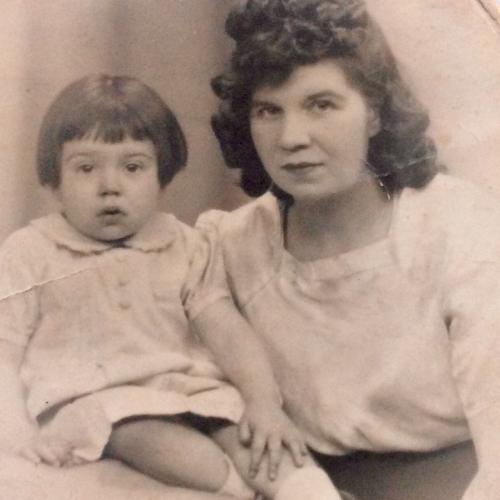
"I mean the women they were like fellas. My Dad always tells the tale that the women were employed in the docks because the men were at war and they used to paint the side of the ships there was one who used to sit there and she was always chatting, chatting, and chatting. They used to shout Lily! dip your brush! So she was known after the war as 'Lily Dip Your Brush'."
Shared by Lilian Jermain Milne at Ocean Road Community Centre, Tyne and Wear on 18 November 2023. The event was organised by South Shields Local History Group.
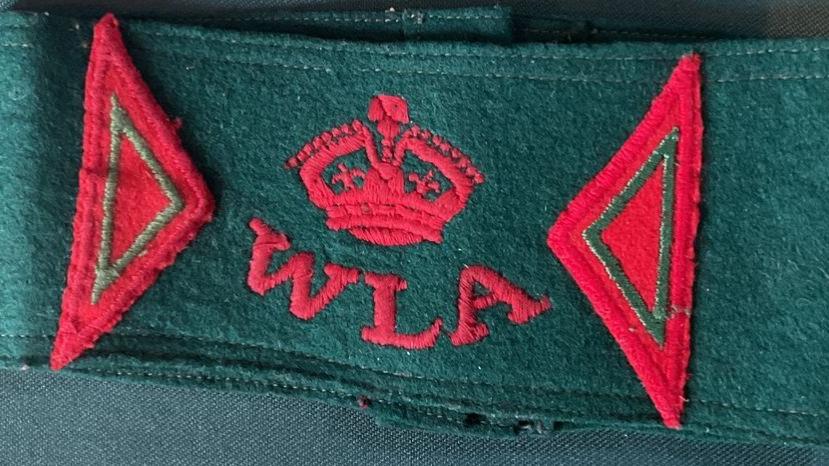
The contributor brought a Women's Land Army armband. This would have been worn every day with her grandmother's worker's dungarees and shirt as she worked on the farm. Some of her jobs on the farm would have been driving the tractor, lifting bales of hay, and looking after animals.
Shared by Esther Lily Dobson at RGS Worcester Perrins Hall, Worcestershire on 16 June 2023.
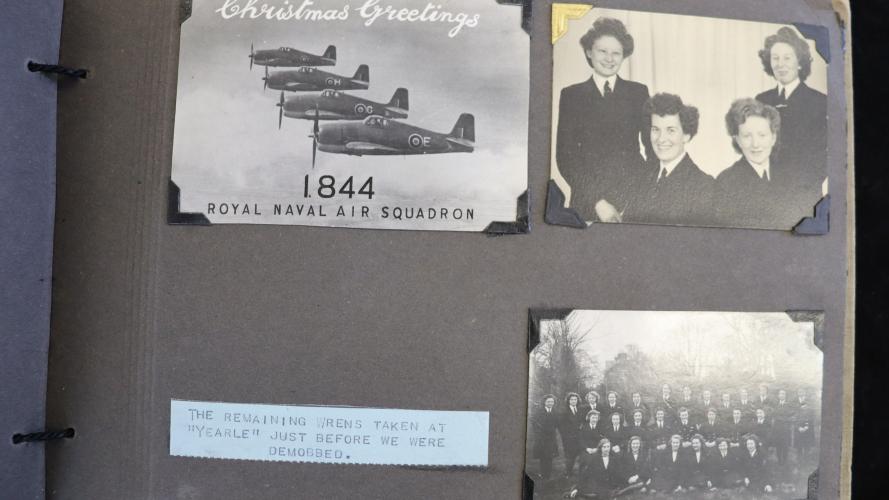
"Norah was born on 13 August 1923 in Hyde, Cheshire. Her father was injured in WWI. They were quite poor. Norah paid to go to night school to learn shorthand typing. She documented the war with her camera, taking fantastic photographs of the life of a WREN through her own eyes. Her war service was the highlight of her life. She loved the social life of the WRENs, especially the dancing, balls, and time with friends."
Shared by Susan Slater at Royal Navy Submarine Museum, Gosport, Hampshire on 27 October 2023.
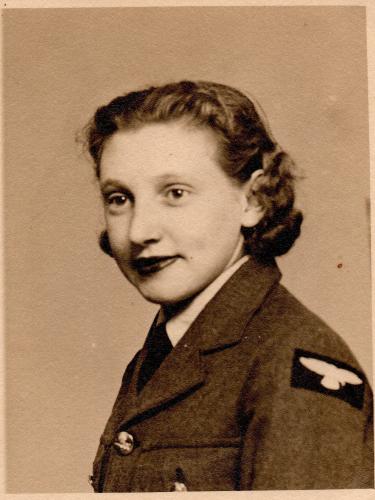
Rank: Leading Aircraft Woman
Number: 2025068
Role: Stores Worker
Service: RAF
Served: 31/03/1942 to 24/05/46 (date left dispersal centre)
Demobbed: 19/07/1946
She and a friend (name unknown) decided to join up together. Being underage, they needed their fathers' permissions to join. Mum's father had been severely injured in an accident on the railways and was mentally impeded. As a result, he was easily persuaded to sign. Mum said they had to wait until her friend's father had had a lot to drink in the pub before he could be persuaded to sign!
Shared by John (Jim) Thompson online via the Their Finest Hour project website.
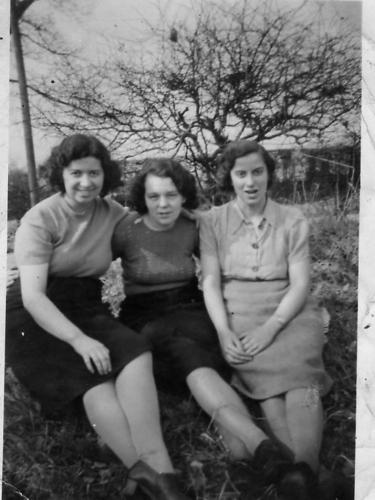
"My mother, who was 3-4 years older than her brother, told me of her experiences. First, she was evacuated with this uncle and younger sister and mother to Wales, but because the host, a man on his own, was none too pleasant, my Nan refused to stay or leave the children in his care. Then, when the bombing in London increased, my mother was later evacuated at the same time as my uncle to Wokingham. Her memories did not appear to be as pleasant as those of her brother. She told me that her host said if she wasn't in by a certain time, she would miss her tea. She was expected to do chores. The little money she received from her mother was to be split with her brother, and her share had to be used for writing paper to send letters back home and also to buy her own sanitary towels."
Shared by Mrs Dawn Cox online via the Their Finest Hour project website.
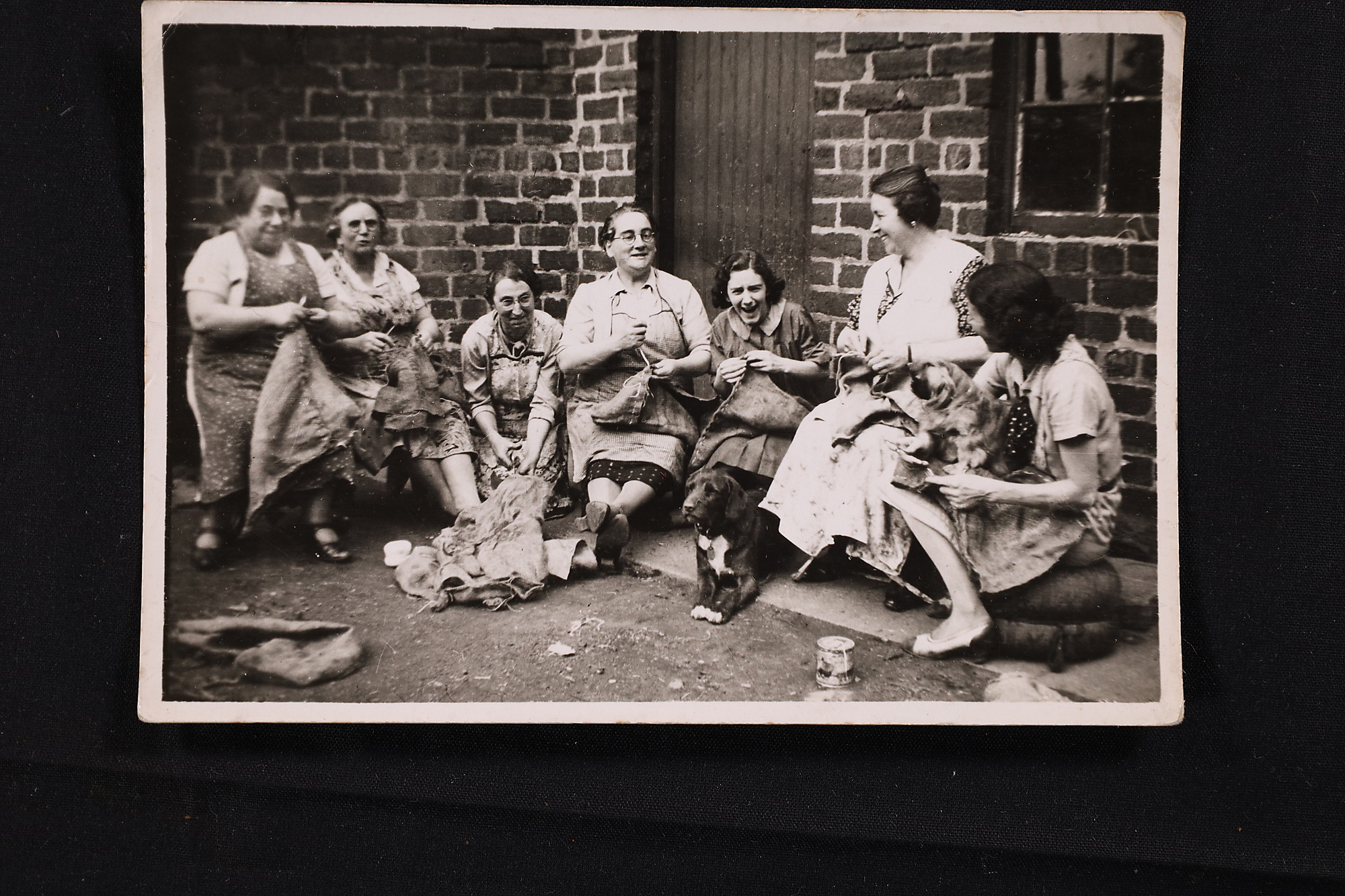
The photograph was taken by an amateur photographer. The contributor's grandmother, Nancy Williamson, is second from the right. When Mrs. Leishman (depicted in the middle of the photograph of women making sandbags) received her son's death telegram, Eupheme knew in advance (because of her job in the post office) and was able to get Leishman's sister and minister round before the telegram was delivered.
Shared by Lesley Sutherland at University of Edinburgh, Edinburgh on 25 November 2023.
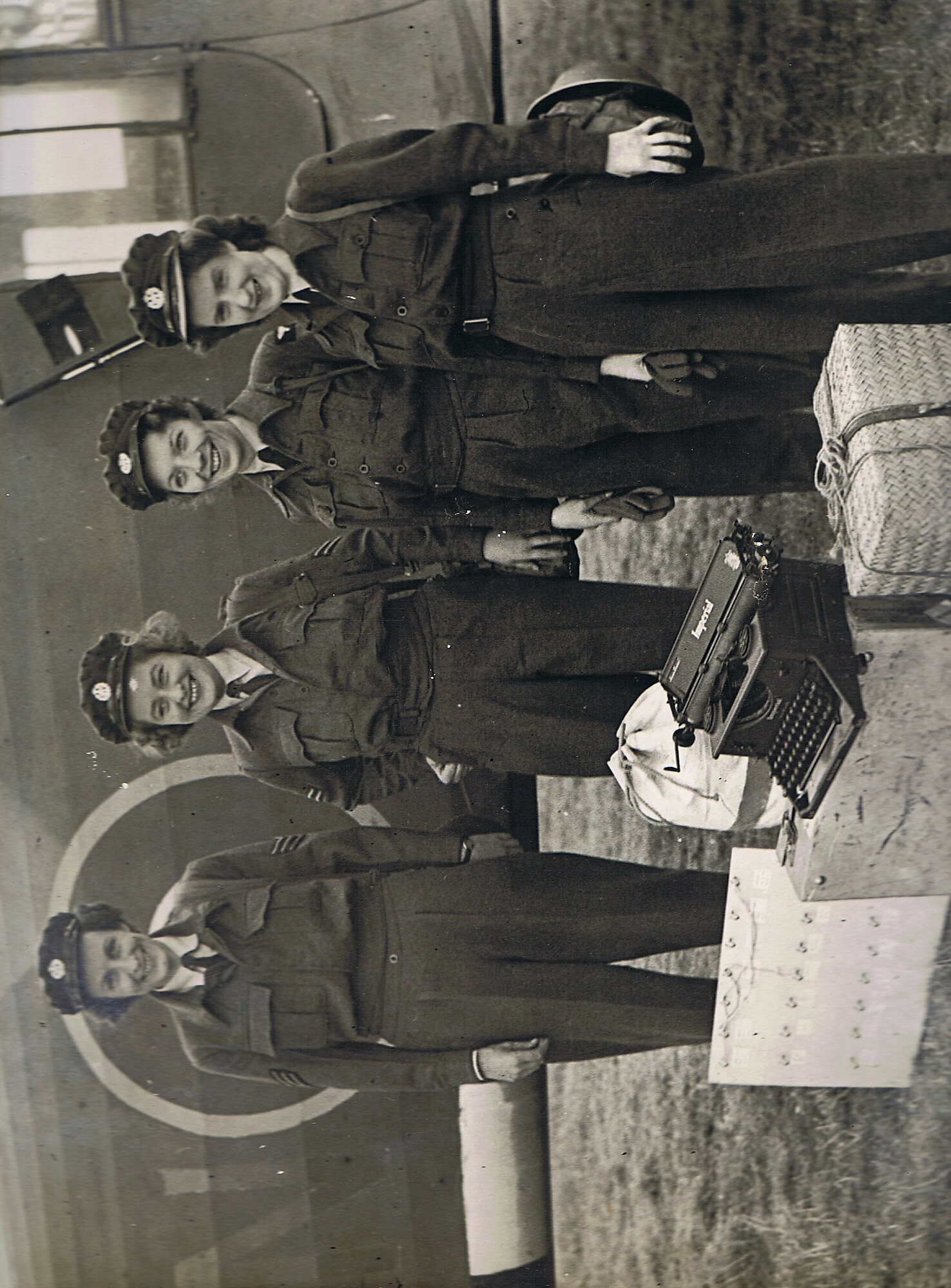
"Betty trained at the WAAF Training Centre at RAF Bridgnorth and because she was 'trained' as a secretary was able to get a posting to Fighter Gp HQ near Preston. She took the bus to Blackpool Tower Ballroom to keep in her love of dancing. Betty's mother had a bout of ill health and Betty applied for a posting nearer home to help out. She was sent to RAF Bracknell, Hq Army Co-Operation Command. Army Co-Op Command was disbanded and she was very lucky to be selected to stay on and see the birth of the 2nd Tactical Air Force."
Shared by Christine Edbury and Gillian Hoy online via the Their Finest Hour project website.